 Italiano (IT)
 English (EN)
 Deutsch (DE)
 Español (ES)

When Healthcare Meets Human Connection
Hospitals are places where medicine meets human vulnerability. They are environments filled with hope, uncertainty, resilience, and courage. Alongside clinical excellence, healthcare is increasingly recognizing that a person's well-being also depends on emotional support and meaningful human connections.
This vision is at the heart of the evolution of "Tartufi in Corsia," an Animal-Assisted Intervention program developed by Paw Therapy ASD APS at Martini Hospital in Turin. Following its success in pediatric and oncology departments, the initiative has expanded since June 2026 to two of the hospital's most sensitive areas: Intensive Care and Dialysis.
This important milestone demonstrates how animals can become an integral part of a healthcare model that places people at the center of care.
More Than Pet Therapy: Animal-Assisted Interventions
Although the term pet therapy is widely used, the correct definition is Animal-Assisted Interventions (AAI).
These are structured activities regulated by national guidelines and carried out by qualified professionals following strict healthcare protocols.
The dogs are not brought into the hospital simply to entertain patients or create pleasant moments.
Instead, they act as emotional facilitators, helping reduce stress, encourage communication, and provide comfort during some of the most challenging moments of a patient's healthcare journey.
Every intervention is carefully planned, ensuring the safety and well-being of patients, healthcare staff, and the animals themselves.
The Power of a Silent Presence
Dogs do not need words to communicate.
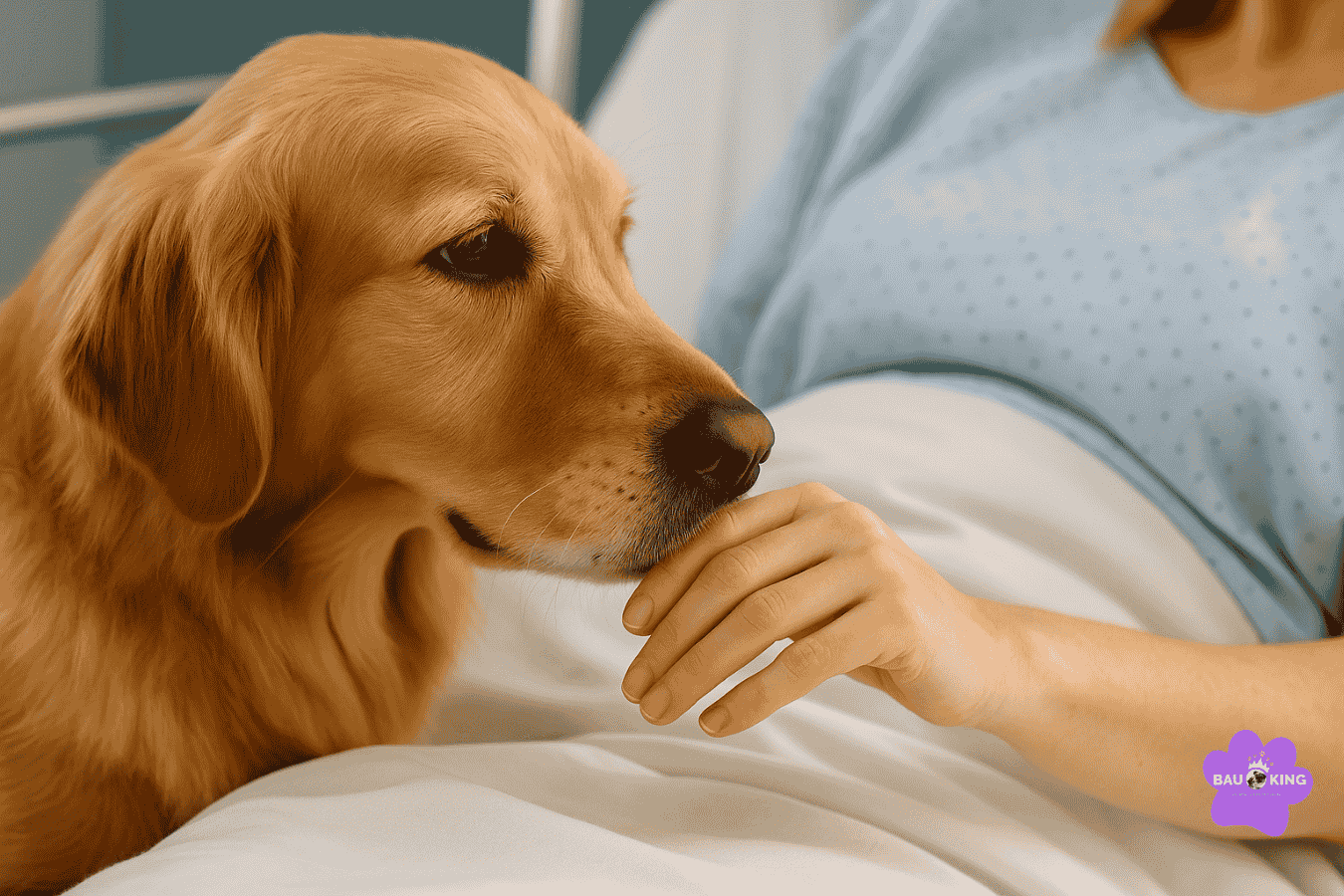
Their presence alone can ease tension, provide reassurance, and create moments of emotional connection when words are no longer enough.
Within a hospital environment, even a brief interaction—a gentle touch, eye contact, or simply sharing a few quiet moments—can brighten an otherwise difficult day.
This is why Animal-Assisted Interventions are becoming increasingly valued in healthcare facilities around the world, serving as a meaningful complement to medical treatment.
Intensive Care: Comfort in the Most Delicate Moments
The Intensive Care Unit is one of the most demanding environments in any hospital.
It is a place defined by advanced technology, constant vigilance, and emotionally intense situations.
The arrival of therapy dogs does not alter medical treatment, but it helps make the environment feel more compassionate and human.
For family members, they offer comfort during long and uncertain hours of waiting.
For healthcare professionals, they provide a brief emotional pause amid demanding shifts.
For patients—when medically appropriate—they offer reassurance and reduce feelings of isolation.
Dialysis: Bringing Warmth to Long-Term Treatment
For people undergoing dialysis, life often revolves around frequent hospital visits and lengthy treatment sessions.
Within this routine, the presence of a therapy dog introduces a welcome moment of comfort and emotional relief.
A simple gesture—a wagging tail, calm companionship, or a gentle interaction—can transform the atmosphere of the treatment room.
While these interventions do not replace medical care, they help patients face their therapy with greater peace of mind and emotional resilience.
Supporting Children Through Surgery
One of the most touching aspects of the project is its support for pediatric patients as they are accompanied to the entrance of the operating room.
For many children, this is the moment when anxiety reaches its highest point, as they must temporarily separate from their parents.
The therapy dog accompanies the child throughout this journey, providing familiarity, comfort, and emotional continuity.
The goal is not to eliminate fear, but to help children face it feeling less alone.
A Project Built on Professionalism
"Tartufi in Corsia" is the result of a partnership between Paw Therapy ASD APS, the ASL Città di Torino, the Venesio Philanthropic Foundation, and other organizations committed to promoting Animal-Assisted Interventions.
All participating dogs undergo behavioral assessments, work alongside certified professionals, and follow rigorous hygiene and healthcare protocols.
Participation is entirely voluntary and completely free for patients.
The project demonstrates that emotional well-being can be integrated into healthcare through scientifically supported, carefully managed, and professionally delivered interventions.
A More Human Vision of Healthcare
Healthcare is evolving toward a model that considers the whole person—not only physical health but also emotional well-being, relationships, and psychological support.
Experiences such as those at Martini Hospital demonstrate how animals can contribute to creating more welcoming, compassionate, and patient-centered healthcare environments.
They represent another important step toward building a truly Pet-Inclusive society.
❤️ The Bauking Perspective
Every hospital is a place of healing, but it is also a place where people face fear, uncertainty, and some of life's most vulnerable moments.
Projects like "Tartufi in Corsia" remind us that healing is not only about medicine—it is also about emotional well-being. A dog's presence cannot replace medical treatment, but it can offer comfort, reduce anxiety, and create a meaningful emotional connection during difficult times.
A truly modern healthcare system combines medical excellence with compassion, recognizing the extraordinary bond between people and animals.
For BauKing, this is the essence of a Pet-Inclusive society: creating places where well-being embraces both physical and emotional health.
Because caring for people sometimes means allowing those who speak without words to be part of the healing journey. ❤️🐾

👉 Share this PET NEWS with everyone who loves animals.
👉 Stay connected so you don't miss the next stories from the Pet-Inclusive world.
👉 Discover pet-friendly places, services, and destinations on Bau-King.com, where every experience can be enjoyed together with your pet.
🐶🌍 Your trips with your pets, without stress.